A new report from the Federal Reserve Bank of Minneapolis paints a concerning picture of housing affordability in the Twin Cities. But amid the challenges, there are reasons for hope and ways Twin Cities Habitat for Humanity is helping.
For the first time since the Federal Reserve Bank of Minneapolis began tracking three major regional housing goals, the Twin Cities has fallen short on all three: building enough new housing, producing affordable housing, and increasing the homeownership rate for Black Americans.
The findings, published in the Minneapolis Fed's latest Regional Housing Affordability Dashboard report, reinforce something Twin Cities Habitat knows well: the need for affordable homeownership isn't slowing down.
But the report also highlights areas of progress. And through the support of our volunteers, donors, homeowners, community partners, and advocates, we’re demonstrating that meaningful change is possible.
1. The Twin Cities Isn't Building Enough Homes
The seven-county Twin Cities region has a goal of producing 18,000 new housing units each year. After exceeding the goal for four consecutive years through 2022, the region produced just 12,161 new housing units in 2025—nearly 6,000 units short of its annual target.
When housing supply doesn't keep pace with demand, competition increases, prices rise, and homeownership becomes increasingly difficult to achieve.
How Habitat is Helping
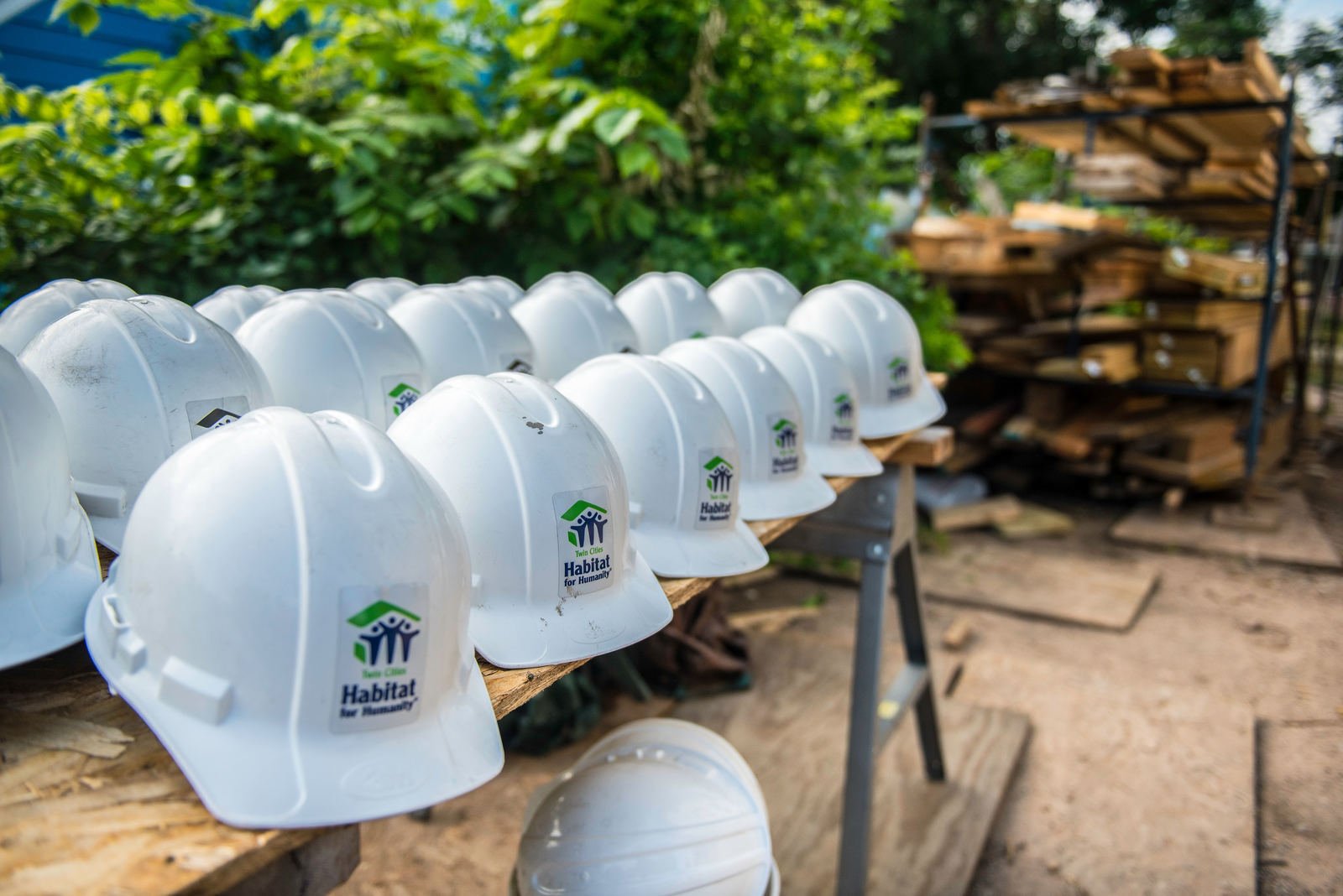
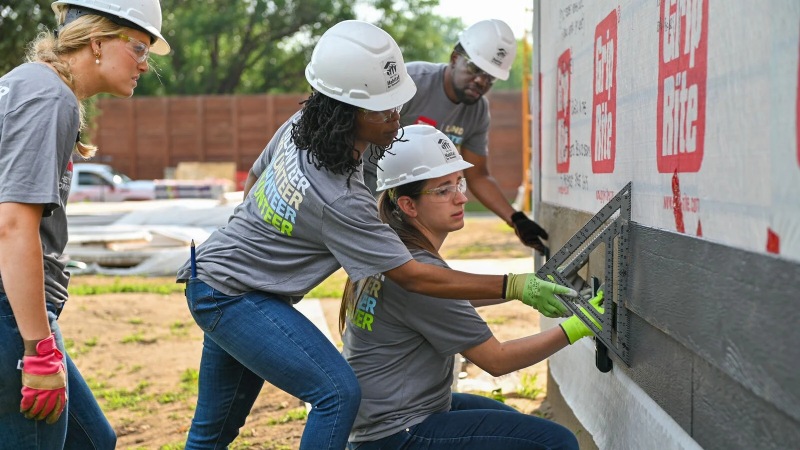
Across the seven-county metro, Twin Cities Habitat continues to build new homes and partner with local communities to find innovative ways to make homeownership possible. Last year alone, 100 families brought homes through Habitat.
Every new Habitat home brings our region one step closer to meeting its housing needs.
2. Affordable Housing Production Is Declining
Building more homes is important but ensuring those homes are affordable is equally critical. The Metropolitan Council has established a goal of producing 2,090 new affordable housing units each year in the seven-county metro.
According to the Minneapolis Fed, affordable housing production peaked at 3,876 units in 2022 before declining to 1,760 units in 2024, the most recent year of available data. That's less than half the production achieved two years earlier.
The report notes that recent affordable housing production remains relatively strong compared to historical levels. But, the downward trend is concerning, especially for families already struggling to find housing within their budgets.
How Habitat is Helping
 Twin Cities Habitat works to address housing affordability from multiple directions. Through our Homeownership Program, families can purchase homes with an affordable mortgage where their payments are set no higher than 30% of their gross income. This helps families begin building long-term financial stability.
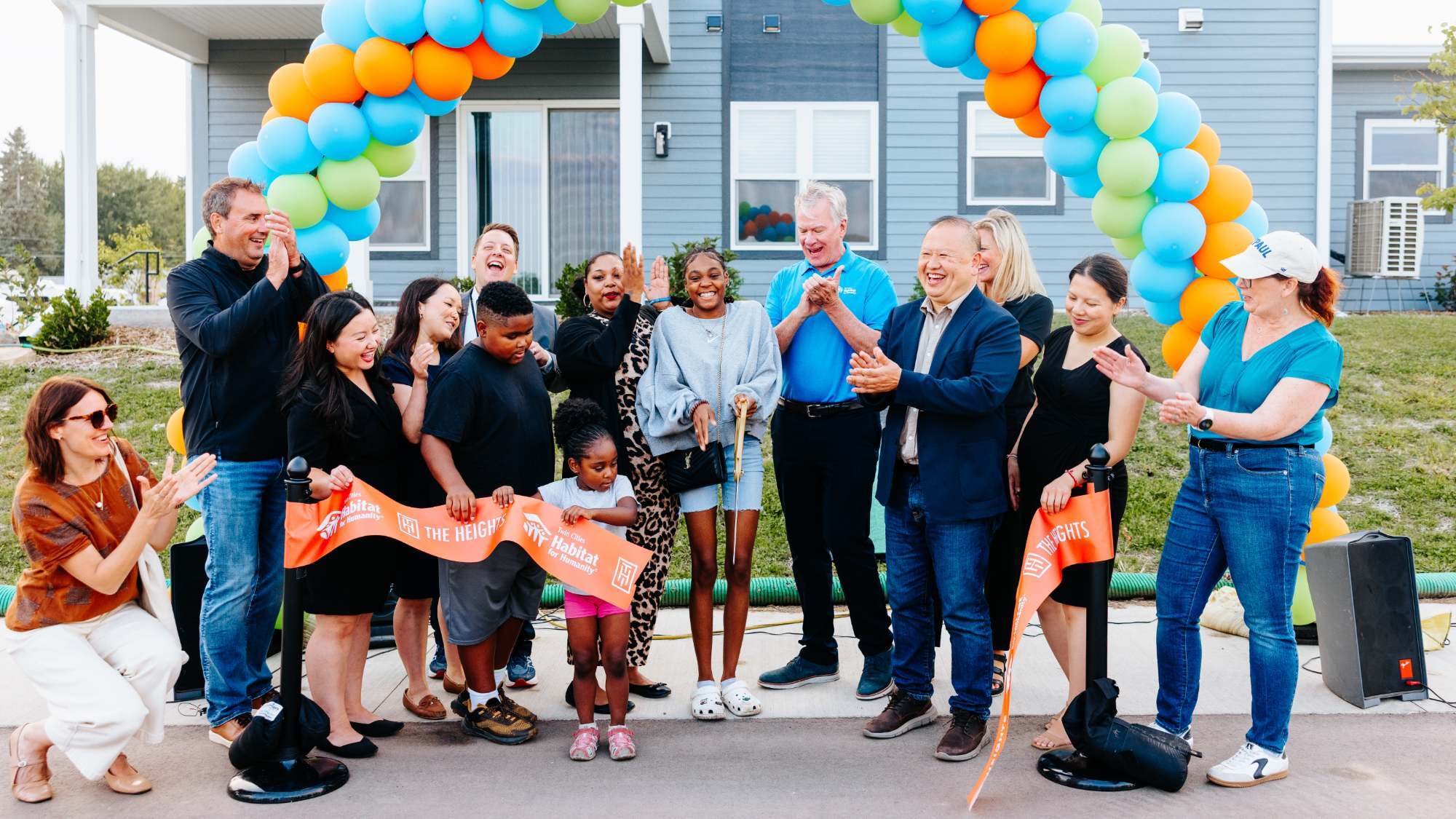
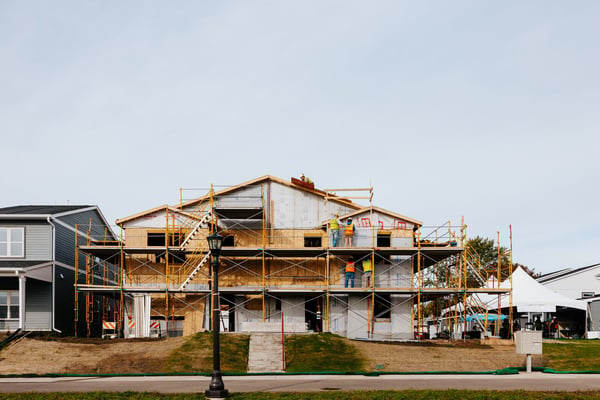
Our work at The Heights on St. Paul's Greater East Side is an example of affordable new construction. This transformative development will create 147 affordable homeownership opportunities, turning a former industrial site into a thriving neighborhood. As we complete construction on our first 74 units at The Heights, more than 25 families have already moved in!
We’re also building new homes across the metro, including Bloomington, Minnetonka, Roseville, Blaine, Lakeville, and more.
Through our A Brush With Kindness home repair program, Twin Cities Habitat makes critical home repairs and accessibility improvements that help existing homeowners stay in their homes. While these repairs don't count toward the region's new housing production goals, they are an essential part of preserving affordable housing, particularly for older adults and those experiencing financial hardship. Last year, 26 families partnered with our A Brush for Kindness program.
3. Black Homeownership Gains Have Slowed
The Twin Cities has a goal of reaching a 45% Black homeownership rate by 2030, matching the national rate recorded in 2020. Our region had been making progress, with Black homeownership reaching 34.3% in 2023. But the latest report shows that rate declining to 29.1% in 2024.
The Minneapolis Fed cautions that some year-to-year changes may reflect statistical uncertainty. Nevertheless, the broader disparities remain significant. And among 12 comparable metropolitan areas, the Twin Cities has the largest gap between Black and White homeownership rates.
The bright spot? Looking at longer-term data, the Minneapolis Fed found that the Twin Cities experienced the largest increase in Black homeownership rates among its 12 peer metropolitan areas when comparing the 2010–2014 and 2020–2024 periods.
That progress matters, demonstrating that change is possible.
 How Habitat is Helping
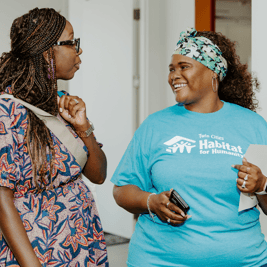
Twin Cities Habitat is addressing the Black homeownership rate through our Advancing Black Homeownership program, which is administered by TCHFH Lending, Inc (our in-house Community Development Financial Institution).
The initiative focuses on expanding access to affordable homeownership, working through systemic barriers, and helping more Black families build generational wealth through homeownership.
We're seeing a meaningful impact within our own work. Last year, 72 individuals participated in Habitat's Advancing Black Homeownership Program.
While the regional numbers remind us how much work remains, our experience shows that intentional programs, strong partnerships, and sustained investment can make a difference.
Supporting the Crucial Work
The warning signs from the report are real, but so is the progress we’re making. Compared to 11 peer metropolitan areas, the Twin Cities remains relatively affordable in several important areas, including rental costs and the share of households experiencing housing cost burdens.
Our region has also demonstrated that it can make meaningful progress toward its housing goals. Twin Cities Habitat’s work is more important than ever to prevent challenges from un-doing that progress. The Minneapolis Fed's findings are a reminder that the Twin Cities cannot afford to lose momentum on housing.
"This report reinforces what we see every day: too many families are being priced out of homeownership," said Chris Coleman, President and CEO of Twin Cities Habitat for Humanity. "But we also know what's possible when our community comes together. We're building homes, preserving existing housing, and creating more equitable pathways to homeownership. The solutions are within reach, and we need to keep investing in them."
The need isn't slowing down, and neither are we.
With continued support from our community, we'll keep building, repairing, advocating, and opening doors to affordable homeownership one family, one home, and one neighborhood at a time.


 Twin Cities Habitat for Humanity

 Twin Cities Habitat for Humanity : 4:23 PM on September 23, 2026