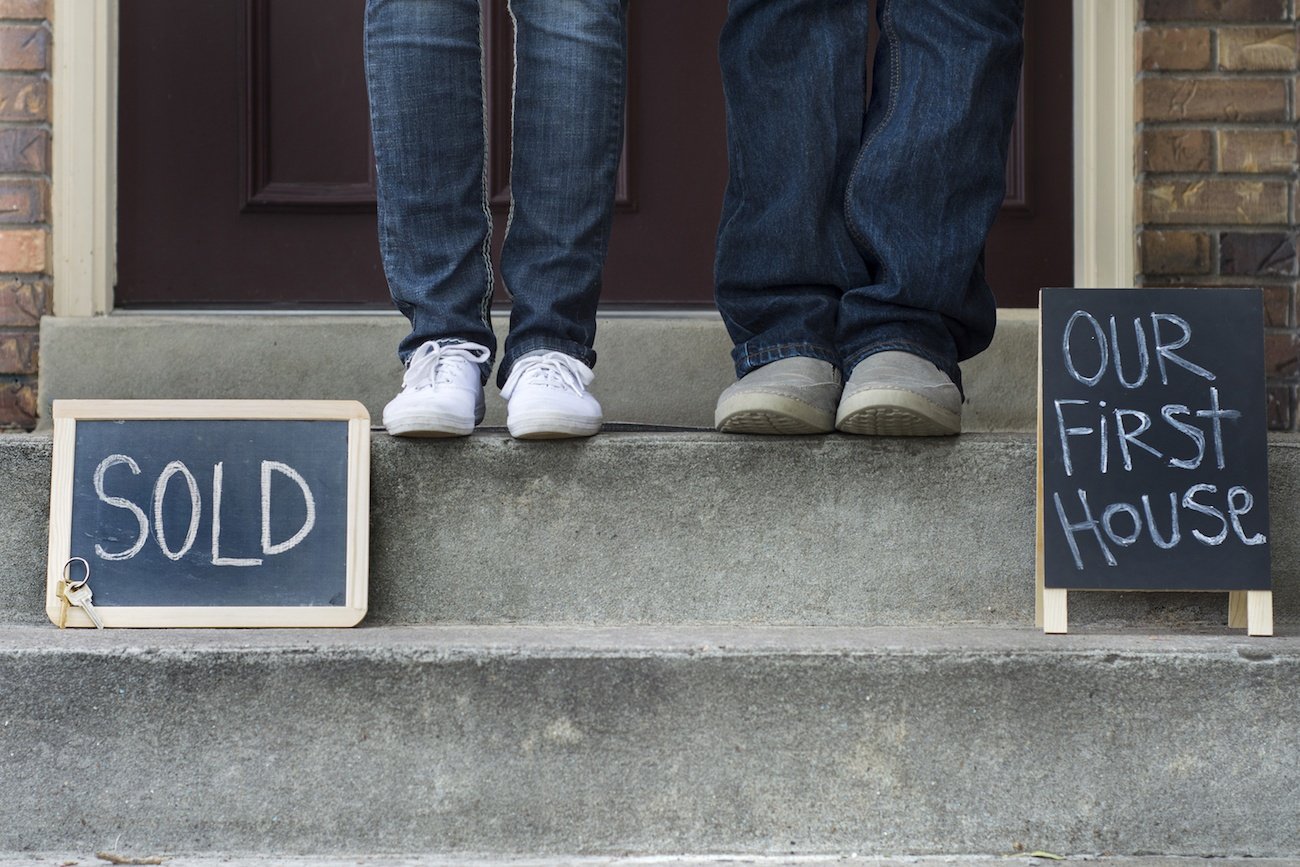
Buying your first home is an exciting chapter in your life. But for many people, the down payment gets in the way. It can even deter people from looking for a home in the first place, and some loan products now let borrowers skip the down payment altogether.
While "no down payment required" may sound good for your first home loan, it's important to understand how mortgages work and whether a small down payment means paying more money in interest or mortgage insurance later. It's all about the math—and sometimes, the fine print.
How Does My Down Payment Amount Affect My Home Loan?
The size of your down payment directly affects your loan amount, your monthly payment, and how much interest you’ll pay overall.
Saving for a down payment takes time, and it’s often the main thing that delays first-time buyers. For many people, the question isn't, “When can I buy a home?” It's, “How long will it take me to save for the down payment?”
Many loan programs require a down payment of between 10% and 20%, while some federal, state, and local programs require as little as 3.5%.
Why Does Making Even A Small Down Payment Make Sense?
A down payment lowers your loan amount, which lowers your monthly payment and the total interest you pay over the life of the loan. It can also help you avoid private mortgage insurance and stand out if you're competing with other offers.
Doing the math on a mortgage is easy; you don't need exact numbers to see the pattern:
- The lower the down payment, the higher the loan amount and the higher the monthly mortgage payment
- The higher the down payment, the lower the loan amount and the lower the monthly mortgage payment
In addition to having less money to pay back, the benefits of making a down payment, even a small one, often include:
- Paying less interest over the life of a loan. With no down payment, you’ll borrow more—and pay more in interest—over a 30-year loan than you would with even a modest down payment. The bigger your down payment, the less interest you'll pay.
- Lenders typically require mortgage insurance from borrowers who put down less than 20%, usually costing between 0.5% and 1% of the loan amount each year.
- Standing out if there are multiple offers on the home you want. Sellers look for buyers who can actually close, and a larger down payment is one signal of that.
How Habitat’s TruePath Mortgage Can Help
TruePath Mortgage is an affordable mortgage product offered by TCHFH Lending, Inc., the wholly-owned subsidiary of Twin Cities Habitat. TruePath’s affordable, fixed-rate mortgage can be a great fit for moderate-income borrowers across the seven-county metro area. Some terms of the home loan program include:
- An affordable monthly housing payment set at no more than 30% of gross income
- No mortgage insurance
Interested in learning more? Click here for a closer look at our home mortgage criteria. TCHFH Lending, Inc.’s team of experts can answer any questions you may have about this affordable loan product. Get to know the members of the lending team, who, along with members of our Homeowner Development team, help set homeowners up for success.

 Twin Cities Habitat for Humanity
 Twin Cities Habitat for Humanity : 3:48 PM on March 18, 2025