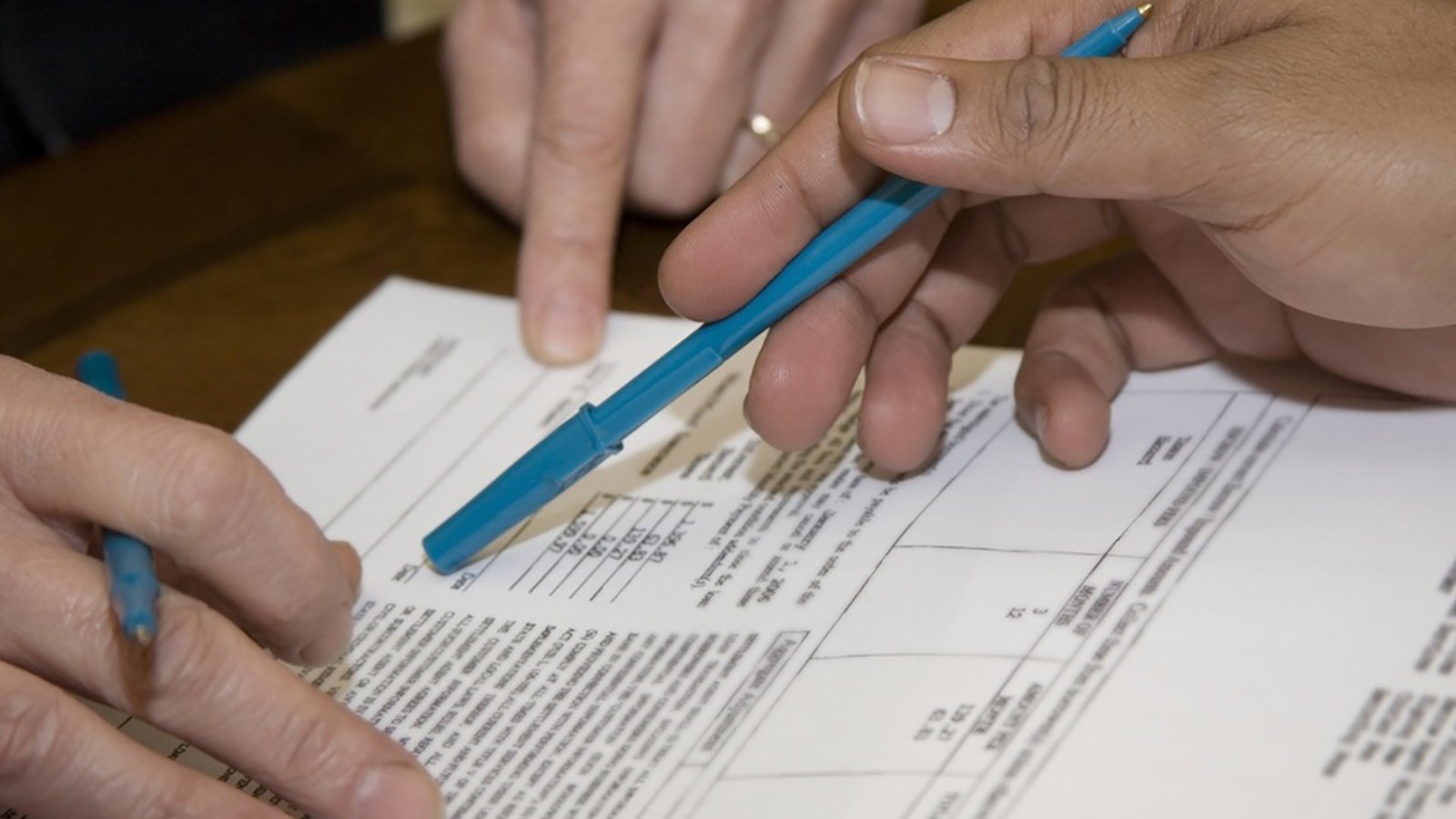
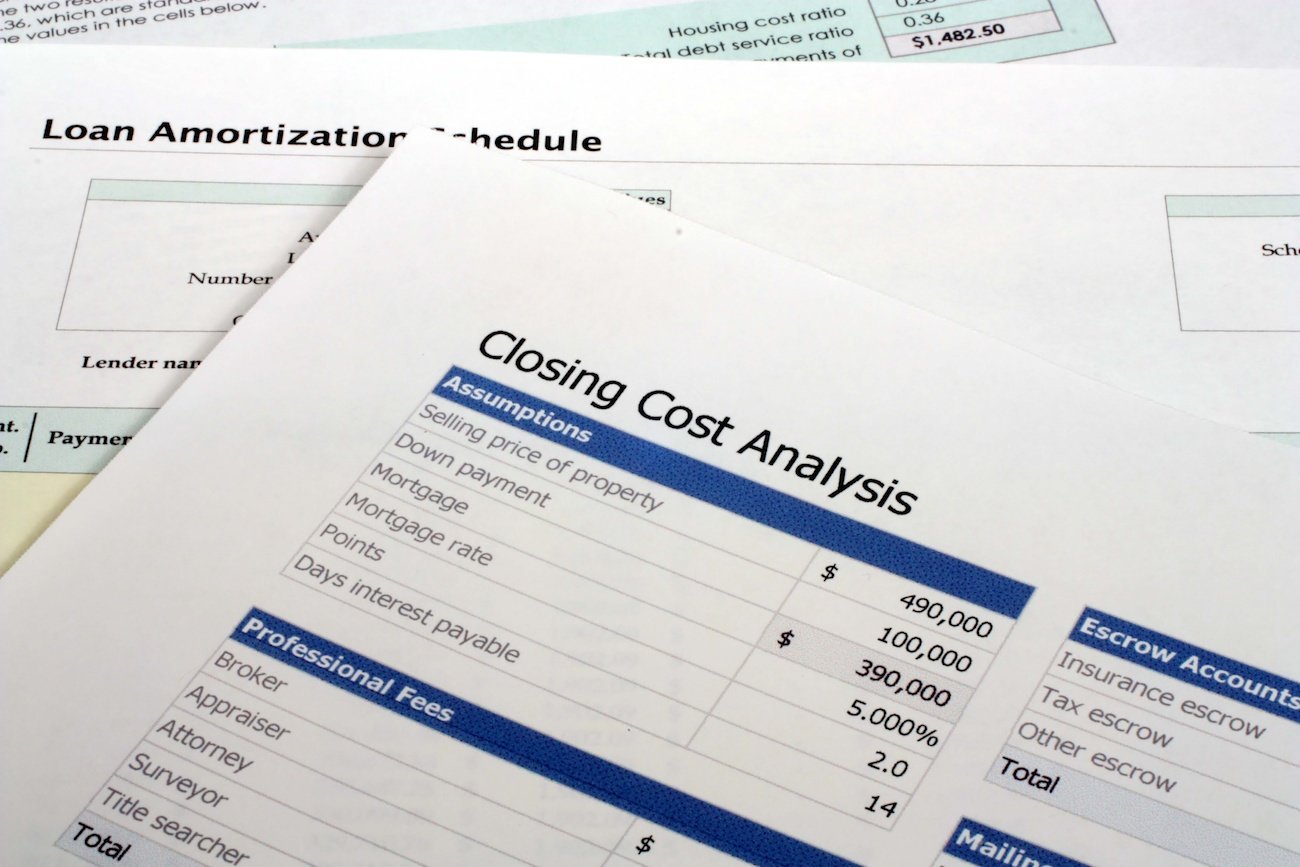
Congrats, you found your first house! We know you're excited to move in and make it your own, but before you start hauling boxes, you’ll need to sign some documents at closing.
With any big purchase, there’s going to be some paperwork. It's easy to skim through the pile of mortgage closing documents and sign away, but it's important to understand what you're agreeing to.
Here’s a simplified breakdown of what documents you're signing at closing, brought to you by Jen LaCroix, Community Loan Officer for TCHFH Lending, Inc., the nonprofit lender behind TruePath Mortgage:
The closing disclosure form should be delivered to you at least three days before your closing date. It provides details about your mortgage, including the interest rate, term, and your projected monthly payment. It also breaks down your closing costs.
"You're going to see all the final numbers before closing," says Jen. "That's an important document, and you'll want to keep your eyes out for that before closing."
Read through the closing disclosure form and compare it to the loan estimate you received from your lender after you completed your mortgage application. It's common to see some differences among the numbers, but the terms of your loan should be the same.
If you have any questions about your loan, ask your lender.
The Note
"At closing, once there, you'll be signing the note and the mortgage," Jen explains.
The note is often called a promissory note (also known as a written promise). It represents your commitment to pay back the money you're borrowing to purchase the home.
It explains everything you need to know about your mortgage, including the loan amount, the length of the loan, the interest rate, payment due dates, grace period for late payments, late charges, and other details of the agreement.
Check that these numbers are exactly what you're expecting, so that you’re comfortable with what you’re promising. Share any concerns or mistakes you notice. You'll want them changed before you sign.
The Mortgage
The mortgage secures the note. This allows the lender the legal right to take your home away if you don’t honor the promise to pay what you signed in your note. This process is known as foreclosure.
"The mortgage is the agreement, and it also outlines the terms of the note and paying the note back," Jen shares.
Your mortgage will involve two parties:
- The borrower, who may be referred to as the “mortgagor”
- The beneficiary, meaning the lender or the “mortgagee”
When closing on a home, anyone borrowing money to pay for a house will sign at least these three mortgage closing documents.
There will be additional documents to sign along the way, depending on each homebuyer's individual situation and lender. Be prepared to ask about each document you sign to ensure you understand the agreements.
If you're unclear about the mortgage closing documents above or have additional questions throughout your journey of becoming a first-time home buyer, we are here for you.

 Twin Cities Habitat for Humanity


 Twin Cities Habitat for Humanity : 9:27 AM on September 2, 2025