Did you know that Twin Cities Habitat builds new homes and renovates existing ones? Both approaches are part of how we create affordable homeownership across the metro — and the choice to do both types of projects is deliberate.
Twin Cities Habitat's Rehab Program Manager, Betsy Starkson, helps break down how those decisions get made.
How We Decide What to Build
Three factors drive the decision: funding, cost/land availability, and production:
- Funding. Some grants are designated specifically for renovation work, while others are set aside for new construction. The funding available often shapes what kind of project moves forward.
- Cost and land availability. In some communities, vacant land is hard to find or too expensive to build on. When a solid existing home is available at a discounted price, renovation is often the smarter choice.
- Production balance. Twin Cities Habitat keeps a healthy mix of both project types to serve more communities and keep construction teams and volunteers working efficiently year-round.
These decisions involve people from across the organization. Teams from real estate, public funding, field operations, and volunteer engagement all weigh in as opportunities come up.
"It's best for our organization and production schedule when we have a healthy mix of both rehab and new build projects," says Betsy. That balance keeps the pipeline moving, which means more families are served, and there are more ways for volunteers and supporters to get involved.
New Build or Renovation: What to Expect On-Site
A renovation site and a new construction site look and feel different. On a new build, you are starting from scratch, so the scope of work is clear. On a rehab project, the crew must decide what to keep or remove before work can begin.
The goal is to preserve the house’s character —hardwood floors, solid woodwork, and architectural details—while making updates that matter most for energy efficiency, health, safety, and long-term affordability.
"We appreciate when volunteers show up with flexibility on a rehab site, because even with a very well thought out plan, things may need to change once we start digging into the work," says Betsy.
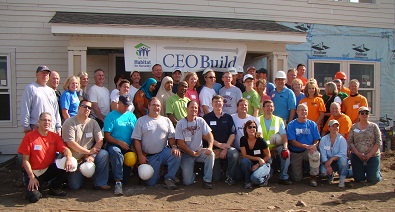
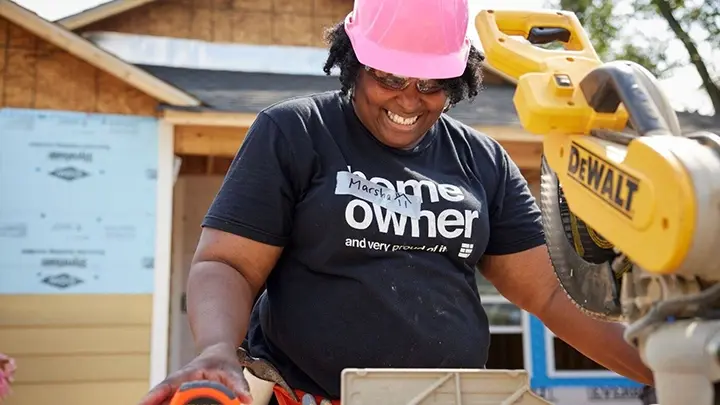
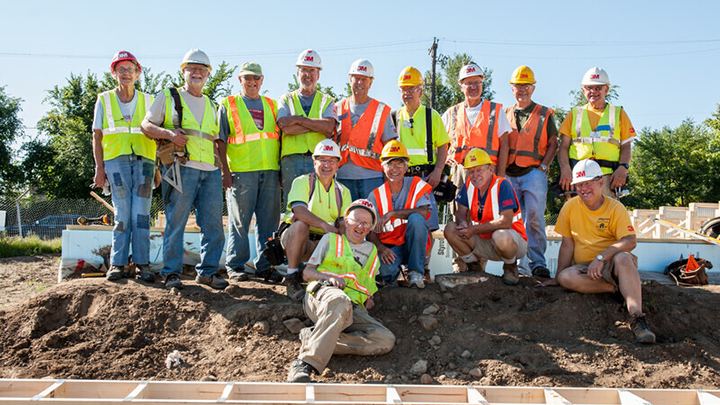
On a new build, each phase of the build brings a different set of tasks. Crews of staff, AmeriCorps members, and volunteers lay the foundation, set up the framing, and follow each phase of construction in a sequence, inside and out. Site staff will walk volunteers through these tasks from day one, and first-timers are always welcome.
How Volunteers Help
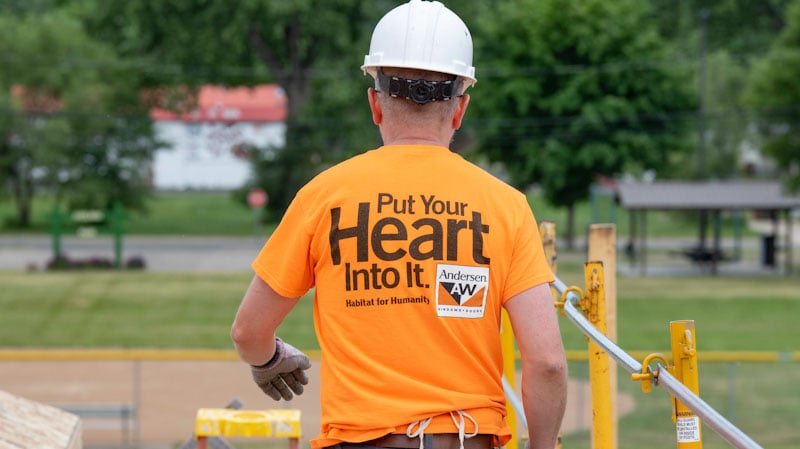
No prior experience is needed on either type of site. As a volunteer, what you do on any given day depends on the project.
On a rehab site, you might find yourself painting, installing flooring, or doing finish carpentry work. You might also get the chance to try something less common, like plaster skim coating or refinishing hardwood floors.
On a new construction site, tasks follow a more predictable sequence. Depending on where the project is, you might be helping with framing, roofing, drywall, painting, or finish work. Site staff will walk you through whatever the day involves.
Specialists handle the technical work (structural, electrical, plumbing) so volunteers can focus on what's right in front of them.
Real Impact Across Neighborhoods
Here’s an example of how renovation can help our buyers. A longtime Habitat supporter wanted to downsize, but didn’t want her home to sit empty or sell at full price. She worked with Habitat to sell the property at a discount, making the project possible. A community land trust partner helped find potential buyers who had been looking for an affordable home in that area.
That kind of project is only possible through renovation. Updating an existing home often costs less than starting from scratch and puts an affordable home into a neighborhood that might not otherwise see one.
Where Habitat Is Building Across the Twin Cities
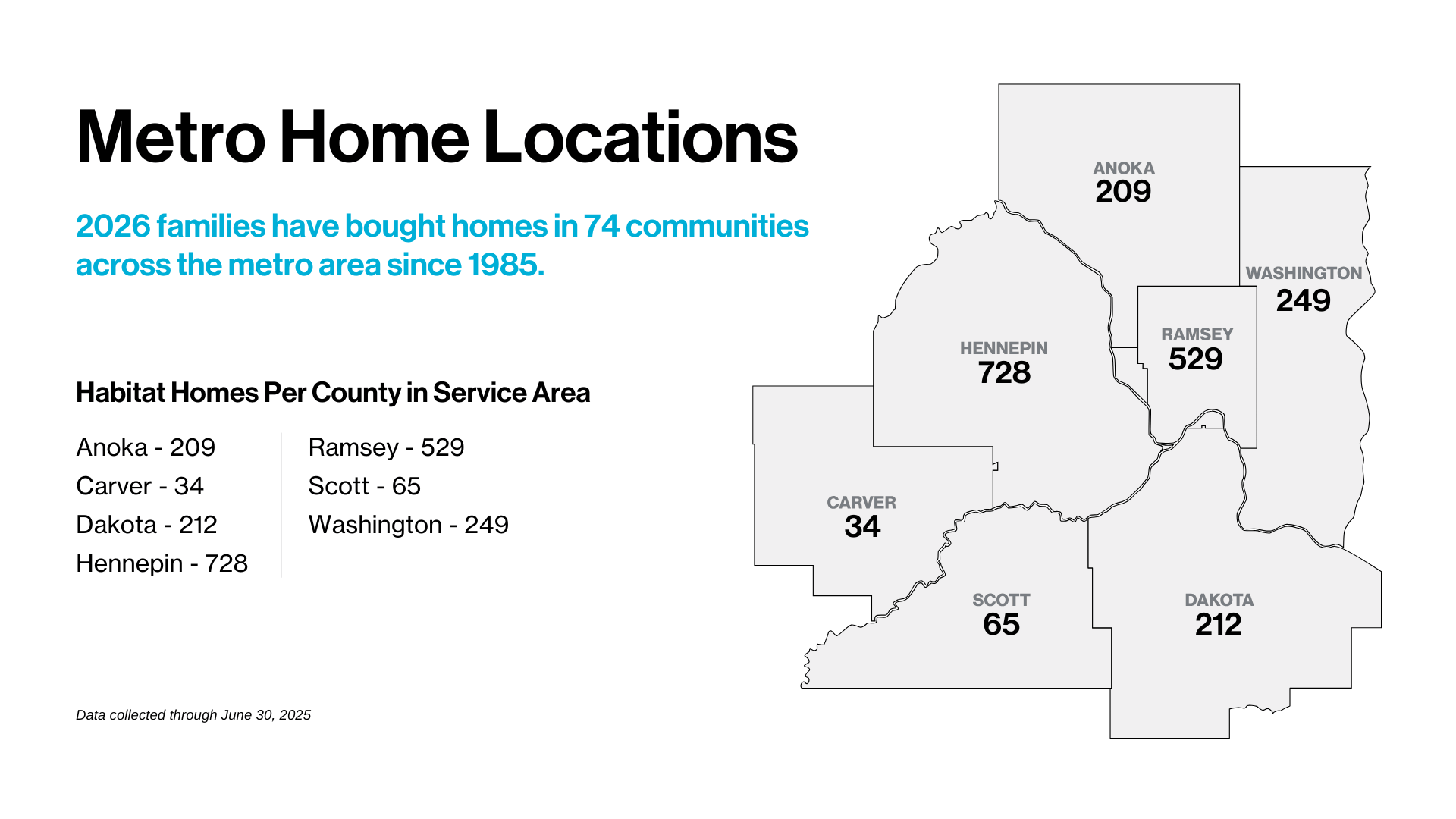
Twin Cities Habitat does renovation work throughout the seven-county metro, with ongoing partnerships in Edina and Roseville. Projects come through many sources. Habitat "buybacks" are one example: when a current Habitat homeowner is ready to move on, Habitat has the option to purchase, or buy back, the home back and make it available to the next generation of buyers. Projects can also come from discounted sales from community members and funding partnerships with city and county organizations.
"We recognize that there is a need for affordable homeownership in all communities," says Betsy. "Rehabs give us another tool when new construction is not an option."
Ready to help? Find a build near you and sign up to volunteer.

 Twin Cities Habitat for Humanity

 Twin Cities Habitat for Humanity : 8:45 AM on June 12, 2026